
Pressure Vessel
Pressure Vessel
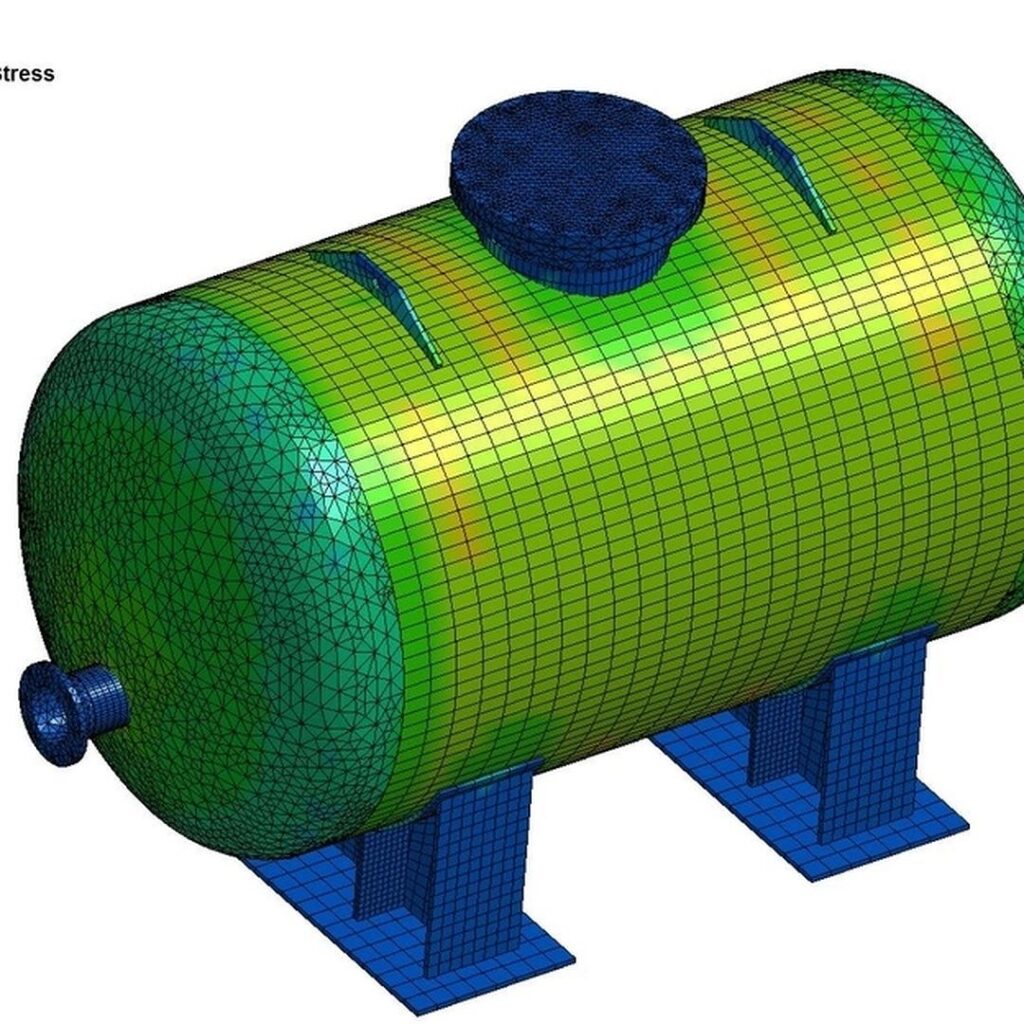
The Pressure Vessel Design course is a specialized training program that provides a comprehensive understanding of the engineering principles, material selection, stress analysis, and design codes associated with pressure-retaining equipment. Pressure vessels are critical components in industries like oil & gas, petrochemical, power generation, pharmaceutical, and food processing. This course focuses on equipping learners with the knowledge and tools required to design safe, efficient, and code-compliant vessels that can withstand high internal or external pressures.
Students gain in-depth knowledge of relevant international codes and standards including ASME Section VIII Div. 1 & 2, PD 5500, and IS 2825, and are trained to use industry tools such as PV Elite, ANSYS, and SolidWorks Simulation for analysis and validation. The program also includes topics on fatigue, creep, corrosion allowances, and material failure modes.
🌍 Industry Importance
Pressure vessels play a vital role in the safe storage and handling of gases and liquids under pressure. Failures in such systems can be catastrophic, making precision in design and compliance with standards absolutely critical. This course prepares participants to work confidently in roles involving design, inspection, QA/QC, fabrication, and maintenance of pressure vessels across sectors. It bridges the gap between theoretical design and practical application by incorporating real-world scenarios, failure case studies, and fabrication guidelines.
🎯 Learning Outcome
By the end of this course, learners will be able to independently design and validate pressure vessels in accordance with global codes, perform critical stress checks, and contribute effectively to multidisciplinary engineering teams in EPCs, consultancies, and manufacturing units. The course provides a strong foundation in ensuring operational safety, mechanical integrity, and cost-effective fabrication of pressurized equipment.
📘 ASME Code-Based Vessel Design
This specialized training focuses on designing pressure vessels in strict accordance with ASME Section VIII Division 1 and 2. Students learn how to interpret and apply ASME formulas, design requirements, material selection standards, and documentation protocols. The course emphasizes calculation-based learning for cylindrical shells, heads, nozzles, and supports, while also addressing hydrostatic testing, certification, and inspection procedures. It is ideal for engineers working in oil & gas, process industries, and regulatory compliance roles.
🌡️ Heat Exchanger Design & Thermal Equipment Engineering
This course covers the thermal and mechanical design of industrial heat exchangers including shell-and-tube, plate, and finned types. Students will explore performance calculation methods, heat transfer optimization, pressure drop estimation, and thermal stress management. Adherence to TEMA standards and familiarity with software like HTRI or Aspen HYSYS is integrated into the learning process. It prepares professionals to design safe, efficient, and economically viable thermal systems across diverse industries.