
Heat Exchange
Heat Exchange
The Heat Exchanger Design and Engineering course is designed to be flexible, offering multiple learning paths depending on the student’s schedule and experience. The Standard Track runs for approximately six weeks, including weekday theory sessions and hands-on lab work. For those seeking a quicker path, the Fast Track format covers the same content in just three weeks through intensive practical sessions.
A more flexible Weekend or Online Mode is also available, extending over eight weeks to accommodate working professionals. Every track concludes with a Capstone Project, allowing learners to apply their knowledge to a real-world heat exchanger design problem, strengthening both technical understanding and project execution skills.
🌍 Industry Importance
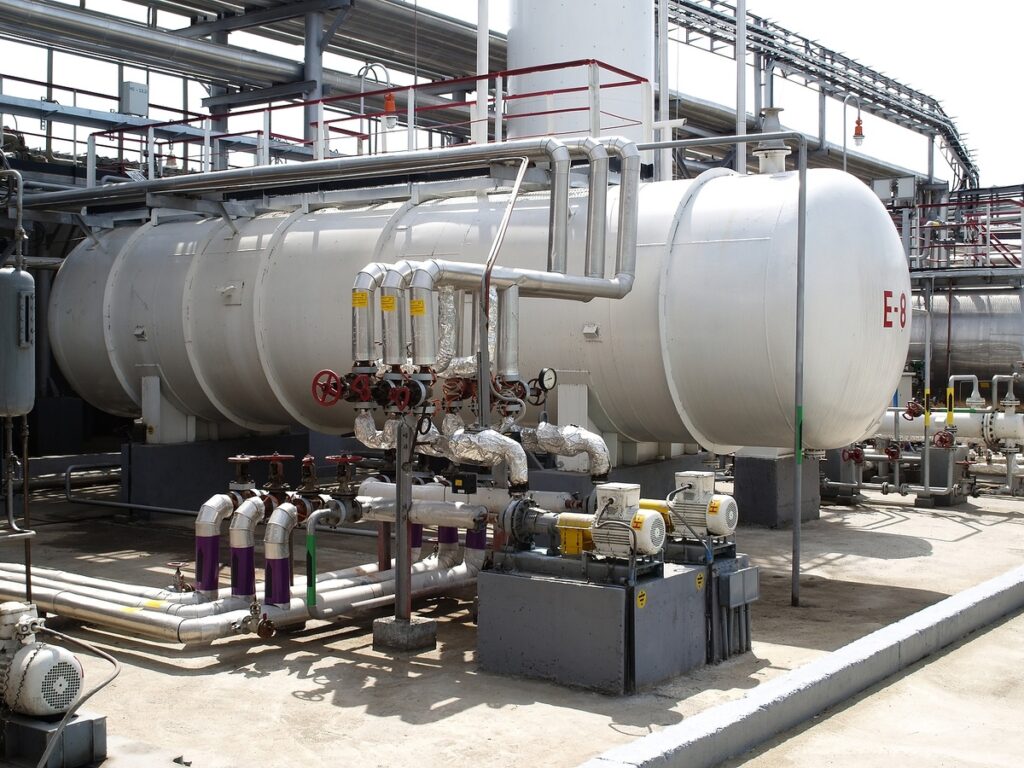
Pressure vessels play a vital role in the safe storage and handling of gases and liquids under pressure. Failures in such systems can be catastrophic, making precision in design and compliance with standards absolutely critical. This course prepares participants to work confidently in roles involving design, inspection, QA/QC, fabrication, and maintenance of pressure vessels across sectors. It bridges the gap between theoretical design and practical application by incorporating real-world scenarios, failure case studies, and fabrication guidelines.
🎯 Learning Outcome
Upon completing the course, students and professionals will be equipped with the skills to take on roles such as Heat Exchanger Design Engineer, Thermal System Engineer, Process Engineer, or Plant Utility Engineer. Industries including oil & gas, power generation, HVAC, petrochemicals, and EPC (Engineering, Procurement & Construction) firms offer excellent career prospects for those trained in this field. Proficiency in tools like HTRI and Aspen EDR further enhances employability, enabling learners to contribute effectively to design teams and thermal system optimization projects.
🎓 Eligibility
This course is ideal for individuals from mechanical, chemical, or thermal engineering backgrounds at diploma, undergraduate, or postgraduate levels. It is also well-suited for professionals working in industries such as process engineering, utilities, HVAC, energy systems, and plant maintenance. While not mandatory, a basic understanding of thermodynamics and fluid mechanics will help participants grasp advanced design concepts more effectively. Whether you’re a student preparing for core industry roles or a professional seeking to upgrade your expertise, this course is structured to deliver both theoretical and industry-relevant knowledge.
⏳ Course Duration
The Heat Exchanger Design and Engineering course is structured with flexible learning formats to suit different needs. The Standard Track spans about six weeks, combining weekday theory classes with practical lab sessions. For those who prefer a quicker learning path, the Fast Track compresses the curriculum into an intensive three-week program focused on hands-on learning. A Weekend or Online Mode is also available, ideal for working professionals, and runs over eight weeks with flexible scheduling. Regardless of the track chosen, all learners complete a Capstone Project involving a real-world heat exchanger design challenge to solidify their practical skills.