
Energy Engineering
Energy Engineering
Energy Engineering is a forward-thinking discipline that focuses on optimizing energy usage across sectors while transitioning to cleaner, renewable sources. This course gives a broad and deep understanding of how energy is generated, managed, and conserved in industrial, commercial, and residential environments. From classic thermal systems to cutting-edge renewables and smart grids, students explore the full spectrum of technologies and practices.
The program also integrates sustainability principles, environmental impact assessments, and regulatory frameworks, ensuring students can contribute meaningfully to both technical and policy-level decisions. Graduates emerge with practical experience, a system-wide vision, and the tools to lead change in the energy sector.
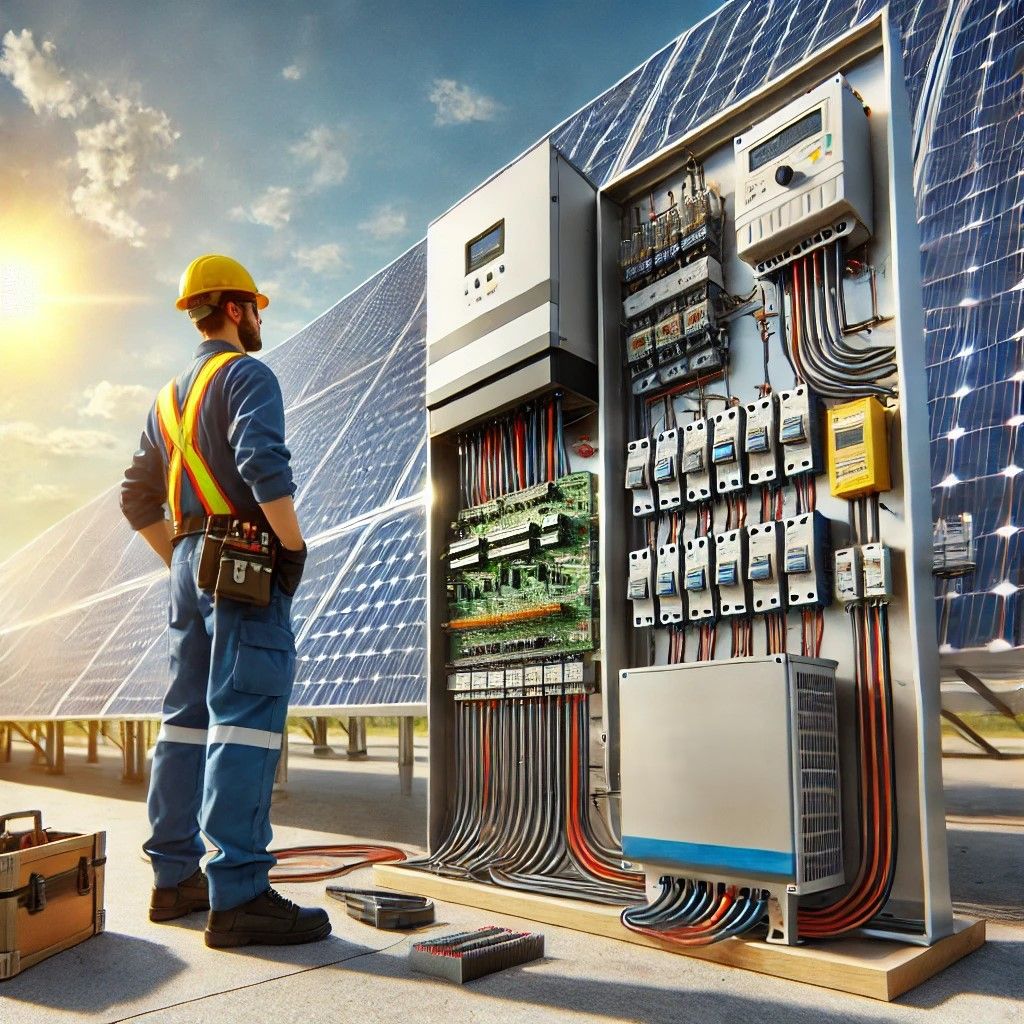
💡 Why Choose Energy Engineering?
The global shift toward energy efficiency and decarbonization has opened immense opportunities for skilled professionals. Energy engineers are now at the forefront of designing clean technologies, upgrading power systems, implementing green building standards, and conducting energy audits that reduce costs and carbon footprints.
This course is your gateway into a high-demand field that intersects with renewable energy, urban planning, industrial operations, and government sustainability initiatives. Whether you’re a student or working professional, the skills acquired here will align with global energy goals and real-world engineering challenges.
📚 Learning Outcomes
Throughout the course, learners gain the ability to design and simulate energy systems, conduct energy audits for various industries, and implement performance-boosting strategies in HVAC, lighting, motors, and grid systems. Students will master renewable technologies like solar and wind power, develop energy-efficient building plans, and understand regulatory standards and economic evaluation methods.
By the end of the course, students will be proficient in using advanced simulation software and will be capable of managing projects aligned with national and global energy standards.
Exercises & Workshops
- 🧠 Real-world design and drafting projects
- 🧠 Industry-specific modeling tasks
- 🧠 🧪 Practice files for hands-on learning
🎓 Eligibility
- 🎯 B.E. Graduates – Mechanical / Chemical / Production / Automotive
- 🎯 Diploma holders in Engineering streams
- 🎯 👷♂️ Working professionals – Design Engineers & CAD Technicians
Course Duration & Duration
- ⏳ 60 Hours – 1 Month Intensive Program
- 🏅 Certification in Unigraphics / Siemens NX CAD
🧩 Modules Covered
The course begins with core concepts in thermodynamics and energy systems, setting the groundwork for advanced energy applications. This is followed by in-depth training on solar, wind, hydro, and biomass technologies, where students learn system sizing, site feasibility, and grid integration.
Conventional power plant operations, including boilers, turbines, and thermal efficiency strategies, are also thoroughly covered. Industrial energy auditing and plant optimization techniques form a crucial part of the curriculum, supported by real-world case studies.
🛠️ Software and Simulation Tools
A strong emphasis is placed on practical skill-building using industry-relevant software. Students will learn to design and simulate systems using PVsyst for solar analysis, HOMER Pro for hybrid energy modeling, and RETScreen for evaluating system performance and economic viability.
MATLAB and Simulink are used for dynamic system modeling, while AutoCAD MEP and Revit are introduced for electrical and HVAC layout drafting. Tools like ETAP and DIgSILENT help simulate power flow and protection systems, adding depth to the course’s practical components.
🎓 Who Should Enroll?
This course is ideal for engineering students (mechanical, electrical, civil, or energy-focused), diploma holders, and working professionals in power plants, HVAC systems, MEP design, or energy consultancy roles. It is also suited for entrepreneurs planning to venture into solar, energy auditing, or sustainability-focused businesses. With flexible learning modes, it supports both beginners and experienced learners looking to reskill or upskill in the evolving energy sector.