
Aero Structure Design
Aero Structure Design
Aero Structure Design is a vital engineering discipline focused on developing the structural framework of aircraft and spacecraft. From the sleek wings of a passenger jet to the complex frame of a launch vehicle, every component must be precisely engineered to balance weight, strength, and aerodynamics. This field bridges theoretical knowledge and practical application, ensuring airframes can withstand varied loads while remaining lightweight for fuel efficiency.
Engineers in this domain work on everything from preliminary 3D modeling to detailed stress analysis and material testing, ensuring compliance with rigorous aerospace standards. In today’s rapidly evolving aerospace sector, the role of aero structure designers has expanded beyond traditional design to include sustainable innovation, cost reduction, and digital transformation.
Importance in the Industry
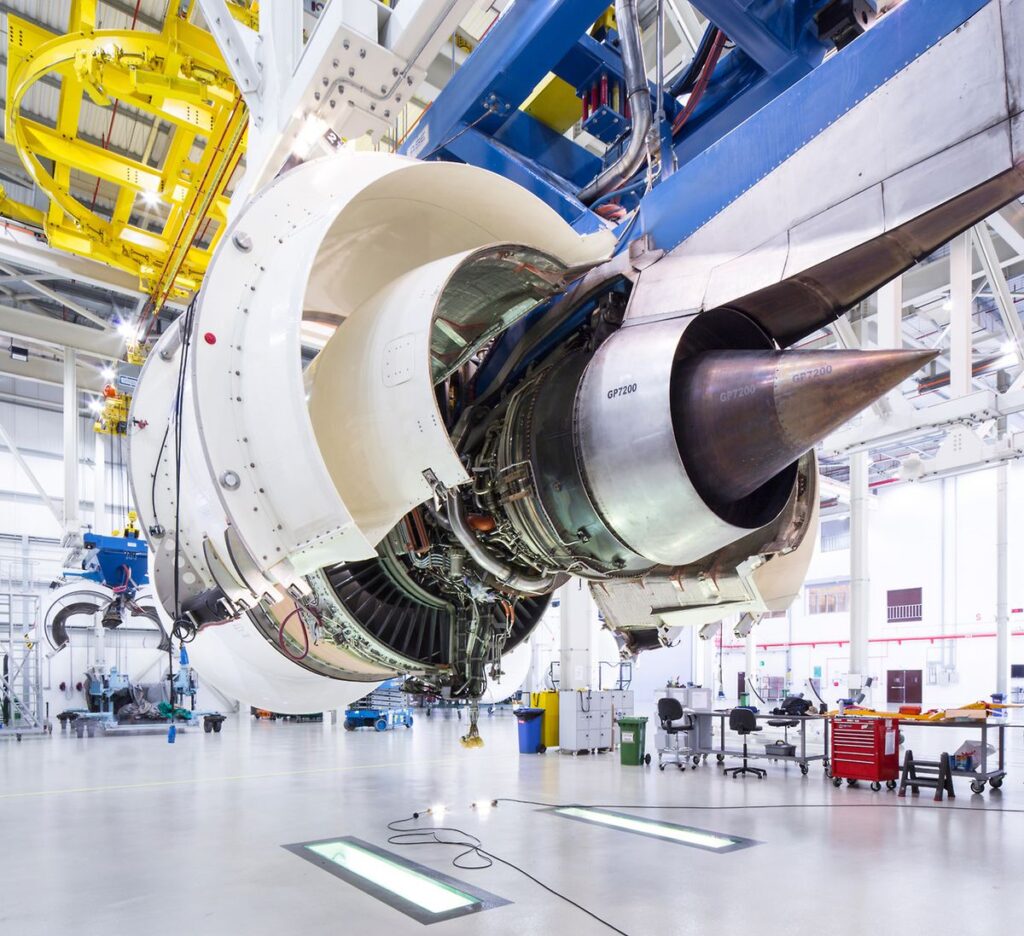
The structural integrity of an aircraft directly affects its safety, operational efficiency, and economic viability. A well-designed airframe ensures optimal performance under various conditions—whether it’s soaring at cruising altitude or executing a precision landing. Every aerospace structure must meet stringent industry regulations while delivering high endurance and fatigue resistance.
Since aviation and space systems operate in extreme environments, structural failure is not an option. The emphasis on lightweight yet durable design also contributes to sustainability, reducing fuel consumption and CO₂ emissions across commercial fleets.
Interdisciplinary Nature
Aero structure design is inherently multidisciplinary, combining elements of mechanical engineering, material science, computer-aided design (CAD), and even data analytics. Structural engineers must understand aerodynamics to predict how forces will act on components, while also applying principles of thermodynamics, vibration control, and manufacturing constraints.
The ability to collaborate across departments—such as electronics, propulsion, and avionics—makes this field both challenging and rewarding. As aerospace technology evolves, the role of digital tools and AI is increasingly integrated into the design process, making this an ever-adaptive profession.
🎓 Eligibility
- 🎯 B.E. Graduates – Mechanical / Chemical / Production / Automotive
- 🎯 Diploma holders in Engineering streams
- 🎯 👷♂️ Working professionals – Design Engineers & CAD Technicians
⏳ Course Duration & Structure
- ⏳ Full-Time Program - 4 to 6 months
- ⏳ Part-Time / Weekend - 5 to 8 months
- ⏳ Online Live Training - 12 to 20 weeks
Real-World Applications
The knowledge and skills gained in aero structure design are applied across a broad spectrum of aerospace systems. In commercial aviation, they guide the design of lightweight wings and pressure-resistant fuselages. In military defense, they’re critical for designing combat-ready jets and stealth UAVs. Spacecraft and satellites depend on structural frameworks to survive extreme launch and orbital conditions, while helicopters, drones, and electric vertical takeoff aircraft (eVTOL) use specialized designs for stability and efficiency. Even air taxis and space tourism modules are emerging applications, driven by the same foundational principles of aero structure design.
Innovations Driving the Field
Technological advancements are redefining aero structure design with rapid innovation. Additive manufacturing, commonly known as 3D printing, now allows for complex structural components to be created with less material and in less time. Topology optimization uses AI algorithms to remove excess mass from a structure while maintaining strength. Composite materials like carbon-fiber-reinforced polymers provide superior strength-to-weight ratios. Digital twins and simulation tools enable real-time testing of virtual models before physical prototypes are built. All these innovations are propelling the aerospace industry into a new era of efficiency, safety, and sustainability.