
Aero Engine Design
Aero Engine Design
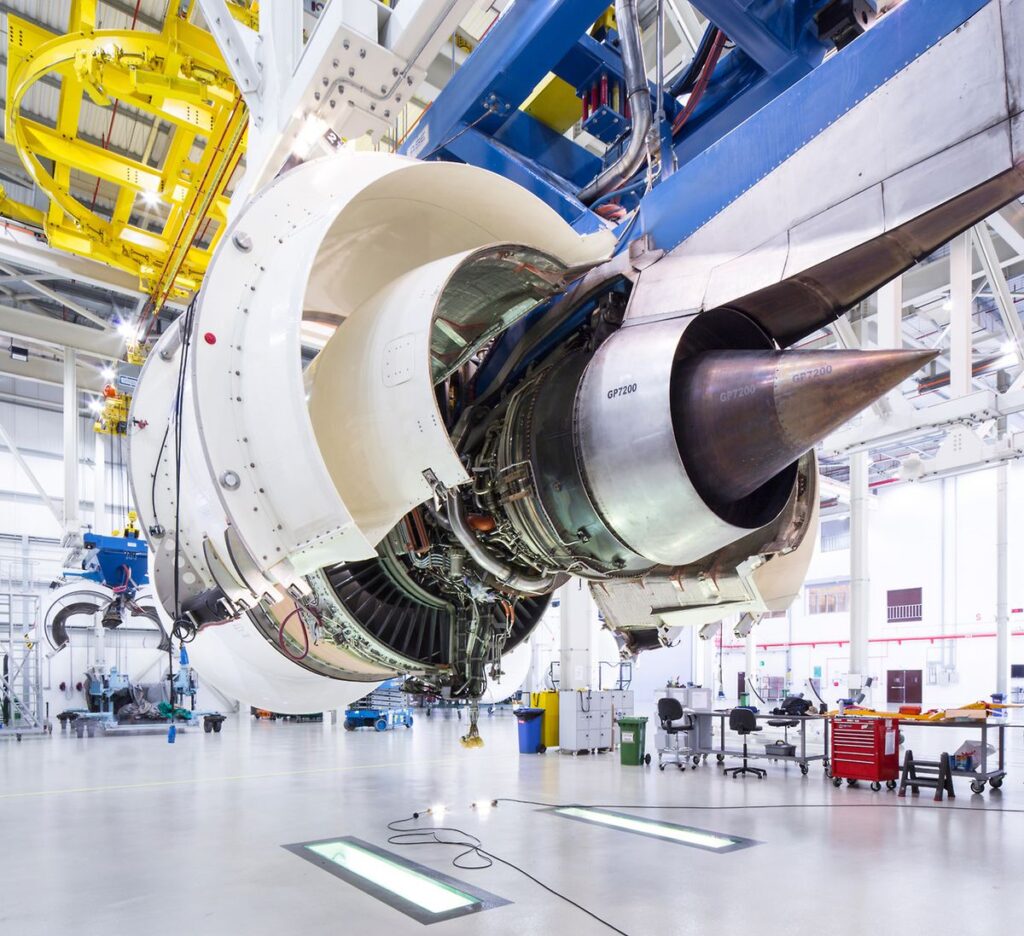
The Aircraft Engine Design course focuses on the structural engineering and design principles behind the fuselage and body components of modern aircraft. It explores how aircraft structures are conceptualized, modeled, analyzed, and optimized to meet the demanding requirements of aerodynamic performance, safety, weight efficiency, and manufacturability. Learners will gain insights into fuselage geometry design, load path optimization, pressure cabin design, skin-stringer-frame arrangements, and structural joints, with a strong emphasis on aerospace-grade materials like composites, aluminum alloys, and titanium. The course blends theoretical knowledge with industry-relevant tools and practices to help students and professionals become proficient in aircraft structural layout and design validation.
💻 Tools & Platforms Covered
The course includes hands-on training with advanced design and simulation software such as CATIA, Siemens NX, Creo, and HyperMesh for structural modeling, along with NASTRAN/ANSYS for validation and performance checks. Students will learn how to convert design intent into detailed CAD models, extract 2D drawings, conduct FEA simulations, and interpret the results for design refinement and certification purposes.
🏭 Industry Applications
This course is particularly relevant to industries and roles involved in aerospace product development, aircraft manufacturing, and maintenance, repair & overhaul (MRO). It supports careers in aerospace design engineering, structural analysis, cabin integration, fuselage R&D, and aerospace tooling design. The knowledge gained is directly applicable to commercial aircraft, defense platforms, helicopters, and unmanned aerial vehicles (UAVs), where fuselage design is a critical part of airworthiness and structural efficiency.
🛠️ What You Will Learn
Participants will begin by understanding the functional requirements of an aircraft body, including pressure containment, crashworthiness, aerodynamic shaping, and internal systems integration. The course then delves into primary and secondary structural elements, bulkhead design, floor beam systems, and cargo/passenger accommodation constraints. Emphasis is placed on CAD modeling, 3D layout planning, and Finite Element Analysis (FEA) for stress analysis and fatigue evaluation. Learners will also study design for manufacturing and assembly (DFMA) principles, fastener and rivet layout, and repairability standards used in the aerospace industry. Simulation-driven design and digital twin concepts are also introduced to enhance practical application.
🎓 Eligibility
- 🎯 B.E. Graduates – Mechanical / Chemical / Production / Automotive
- 🎯 Diploma holders in Engineering streams
- 🎯 👷♂️ Working professionals – Design Engineers & CAD Technicians
⏳ Course Duration & Structure
- ⏳ Full-Time Program - 4 to 6 months
- ⏳ Part-Time / Weekend - 5 to 8 months
- ⏳ Online Live Training - 12 to 20 weeks
🎯 Who Should Enroll?
This course is ideal for aerospace engineers, structural design engineers, CAD modelers, MRO professionals, and mechanical engineering graduates who are looking to specialize in the field of aircraft structural design. Whether you are working in OEMs, design consultancies, Tier-1 suppliers, or aviation R&D labs, this training provides essential knowledge and practical skills needed for aircraft body development.